A Basic Understanding of Mechanical Watches
Most of the watches one sees these days contain electronic components such as a battery or circuitry. These
watches are powered by electricity and we refer to them as quartz watches. But there are some watches, known
as
mechanical watches, that do not use a single electronic component and are powered entirely by mechanical
means.
This page provides an overview of the features of mechanical watches and some tips on how to maximize their
working life.
Features of Mechanical Watches
[Feature 1] The history of mechanical watches
The original model for a mechanical watch dates back to sometime in the 13th century, with various
mechanisms being devised by a large number of watchmakers before the watch evolved into its current form.
One of the remarkable aspects of mechanical watches is the artisanship that has gone into each and every
one
of the mechanisms.
Another remarkable feature is that, because almost all of the component parts are made of metal, a
mechanical watch will last a very long time provided it is properly maintained. If used carefully, it can
even be passed down from generation to generation.
Given their longevity and their combination of elegant design and sophisticated technology, some
mechanical
watches go beyond mere practicality, embodying artistic or cultural value.
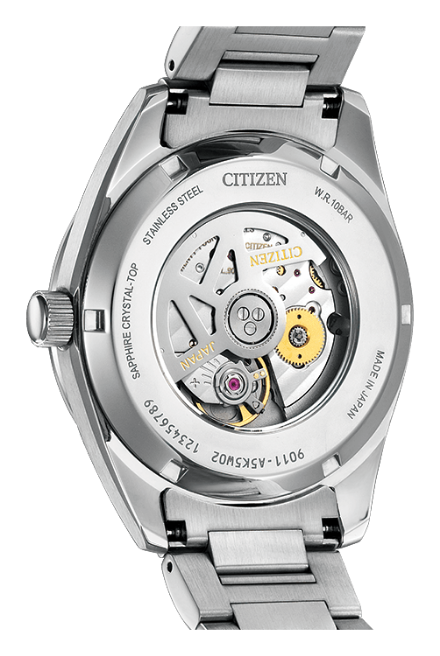
Some designs reveal the internal mechanism known as the “movement”, enabling you to see and appreciate the artisanship used in features such as exquisite decorative elements.
[Feature 2] Precision mechanisms that invoke the flow of time
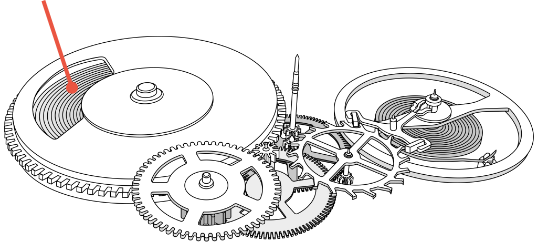
Mechanical watches operate by using high-precision cogs and springs. The primary driving force is a spring called the “mainspring”. Once wound, the mainspring uncoils in a set rhythm, turning the internal cogs to measure out the time. This movement of precision components driven by the force of the mainspring doesn’t merely tell the time, it also generates a sense of wonder as you experience the flow of time.
Mainspring
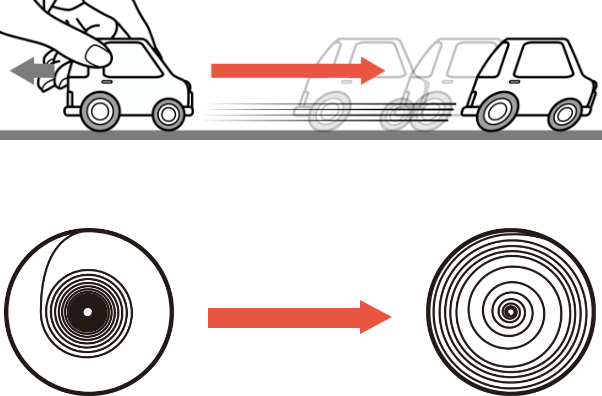
Mechanical watches operate using the same mechanism as pull-back toy cars. In pull-back toy cars, the wound-up mainspring quickly uncoils and the car stops. But in a mechanical watch, once the mainspring has been fully wound, it will generally continue to run for around 40 hours or more.
Wound up
Released
[Feature 3] Movements and sounds that mark time
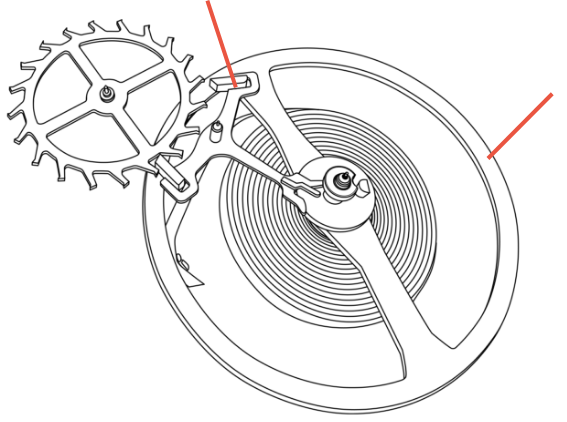
Mechanical watches include special components known as the “pallet fork” and the “balance”, which are used to mark time. The pallet fork makes a ticking sound as it moves, while the balance oscillates left and right around its central axis. The precision of this movement and the exquisite sound it produces are pleasing to both the eye and the ear.
Pallet fork
Balance
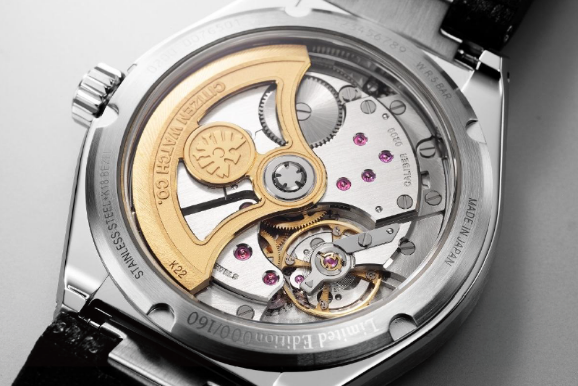
Watches referred to as “self-winding” or “automatic” use the movements of the wearer’s arm to wind the mainspring. The motion of the “weight” that is used to wind the mainspring, in concert with the movements of the pallet fork and balance, can also be lovely to watch.
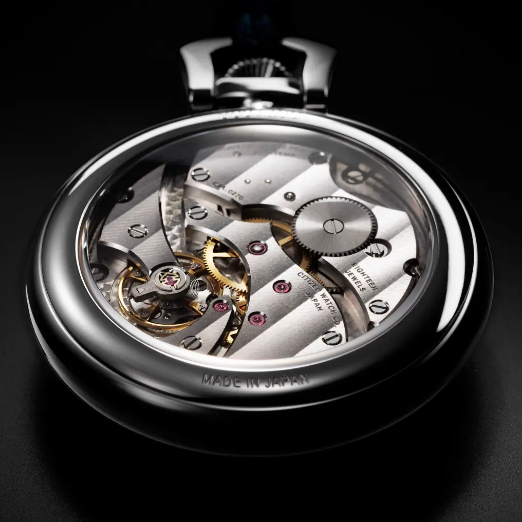
The watch type known as “manual winding” does not have a weight, and the mainspring is wound by hand. Such watches provide the user with a superb view of the movements of the pallet fork and balance as well as the exquisitely crafted cogs and other components.
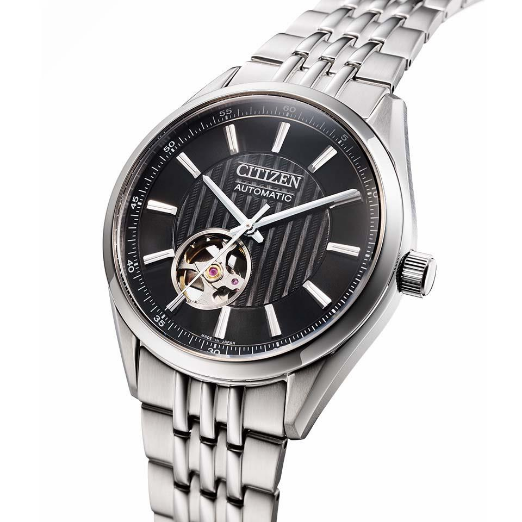
On some models, the motion of the balance can be seen through the dial itself.
Tips on Using a Mechanical Watch
[Tip 1] Check the average deviation for accuracy
The accuracy of a mechanical watch is dependent on factors such as how tightly the mainspring is wound, the position of the watch, and the ambient temperature. Consequently, the product specifications may not include checking how much the watch’s accuracy deviates each day. But users do not need to check the “daily deviation”, or how much the watch’s accuracy deviates in a single day. They can simply check the average accuracy deviation over a period ranging from a week to 10 days.
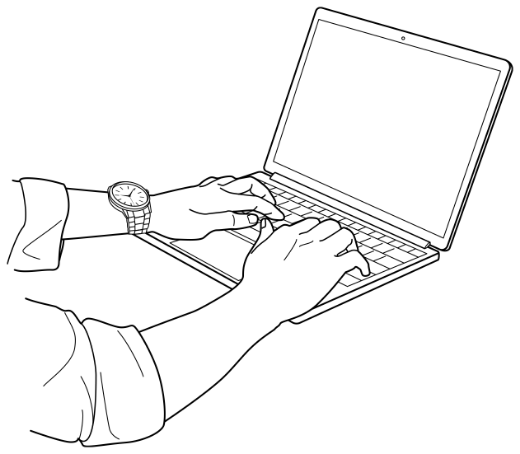
When you are wearing a watch on your wrist or you place it on a table or desk, the accuracy of the watch varies depending on its orientation. However, any accuracy error can be minimized by keeping the mainspring tightly wound.
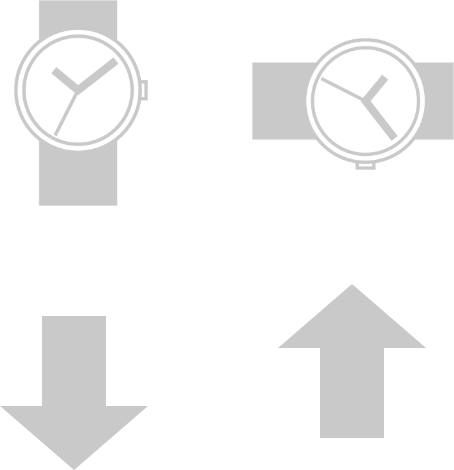 Tends to run slow
Tends to run fast
Tends to run slow
Tends to run fast
* The above is only one example of how watches tend to run fast/slow. The tendency for accuracy to vary differs between models and even between individual watches.
[Tip 2] Wind the mainspring slowly
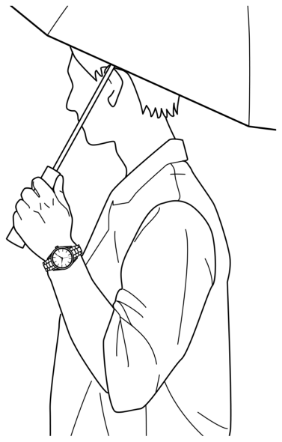
Due to the fine precision with which the cogs in a mechanical watch mesh together, turning the crown too forcefully when you wind the mainspring can lead to excessive wear or even damage to watch components. Turn the crown slowly and gently to avoid such damage. When a self-winding watch is stopped, you are advised to turn the crown 10-20 times before putting it on your wrist and moving your arm to wind the mainspring.
Turn the crown slowly and gently
(roughly 1-2 full rotations per second).
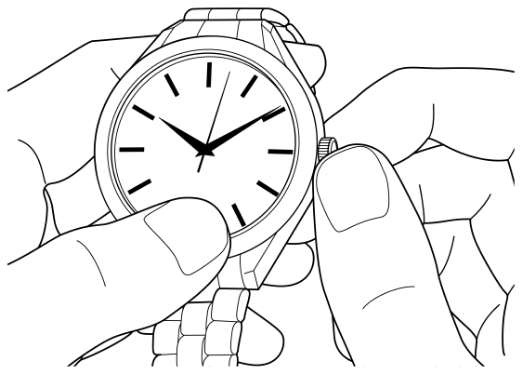
Once the mainspring is quite well wound, place the watch on your wrist.
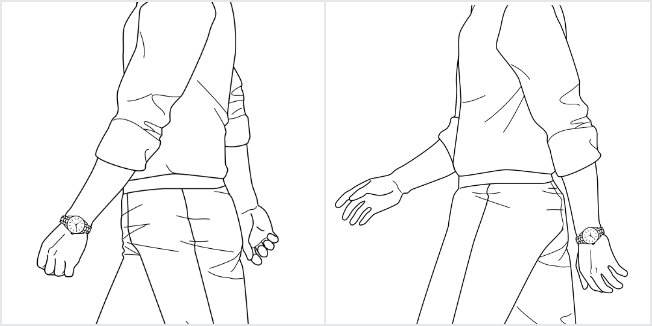
Desk work
Holding an umbrella
 Caution
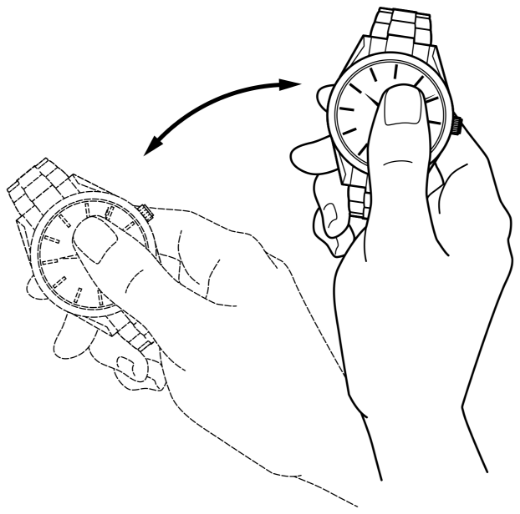
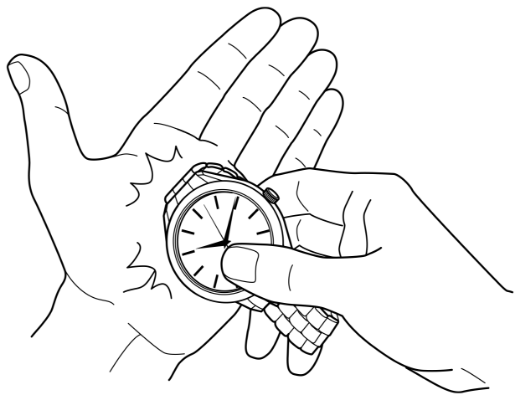
Note that attempting to wind the mainspring using the methods shown below may cause you to drop the watch and/or damage its internal components.
Holding the watch and shaking it
Tapping it against your palm
[Tip 3] Avoid harsh environments
Places that are comfortable for people are also comfortable for watches. Environments that are moderated so that they are conducive to good health, by being cooled in summer or heated in winter for example, are also well suited to watches. In such environments, they will maintain their accuracy and be less likely to deviate from the correct time. Be sure to leave your watch in a suitable spot when you take it off.
When you take your watch off, its accuracy may vary depending on the temperature where you leave it.
 Accuracy
Tends to run slow
Tends to run fast
Accuracy
Tends to run slow
Tends to run fast
* The above is only one example of how watches tend to run fast/slow. The tendency for accuracy to vary differs between models and even between individual watches.
[Tip 4] Avoid strong magnetic fields
Once a mechanical watch is exposed to magnetism, the effects of the magnetism may linger and can impact its accuracy even after you move the watch away. If this happens, you will need to have the watch repaired. Always keep your watch at least 5 cm away from anything that generates a magnetic field.
There are many objects around us that emit magnetism. When you put your watch in your bag, keep it away from objects such as smartphones or headphones that emit magnetism.

Smartphones

Handbag clasps

Notebook PCs

Headphones
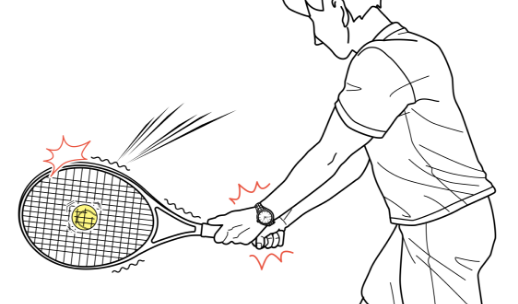
[Tip 5] Remove your watch before engaging in sports that might jar your wrist
There may be some people who like to play golf or tennis while wearing their watch, but such sports subject the watch to strong impacts that can damage the watch or cause it to show the wrong time. It may also result in injury to the wearer’s wrist. For these reasons, it is best to remove your watch before engaging in sport.
Impacts are transmitted through the arm to the watch’s internal components and can result in damage to those components.
[Tip 6] Give your watch a break when you are not using it
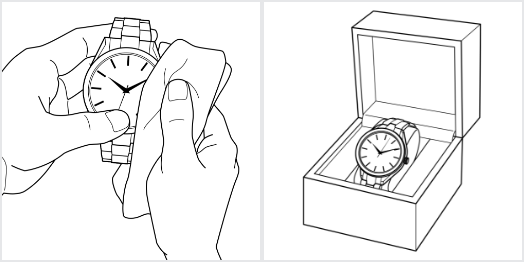
To prevent cog wear and lubrication oil shortages, give your watch’s mechanism a break by not winding the
mainspring when you are not using the watch. If you’re planning to put your watch away for a while, wipe
off
any soiling or oils on the case and band and store it in a safe place. Doing so will prevent any
discoloration or other deterioration of the watch as a whole.
* It is recommended that you wipe off the watch once every few months, put it on and move around for a
time
and then check its condition.
Your watch still needs care, even when you are not using it.
[Tip 7] Have your watch serviced regularly
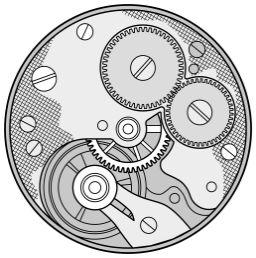
Like people, watches need a regular health check from time to time. Because a wound-up mainspring applies constant force to the watch components, those components are gradually abraded, which contaminates and degrades the lubricating oil used to ensure that the cogs turn smoothly. As a result, the watch may develop defects such as deteriorating accuracy, shorter continuous running times and a mainspring that is more difficult to wind. To prevent such defects from arising, it is recommended that the watch be serviced through regular overhauls where the components are checked and fresh lubricant is applied.
If you use the same mechanical watch every day, we recommend servicing once every 2-3 years.
BEFORE
AFTER